

How to Source Silk from India
Sourcing silk from India works when it is treated as a buying process: product definition, supplier type, samples, commercial terms, quality, inspection, documents, then a trial order. Skip those steps and you compare prices for different cloths. This page is the sequence. For product groups see the [India silk export guide](/india-silk-export-guide/). For constructions see [silk fabric types](/silk-fabric-types-from-india/).
Step 1: Define the product
“Silk fabric” is too broad. State product type, end use, composition, width, weight, weave, finish, color or print, quantity, and destination market. If you lack technical details, describe the finished item and ask for two suitable qualities with samples.
Step 2: Decide the supplier type
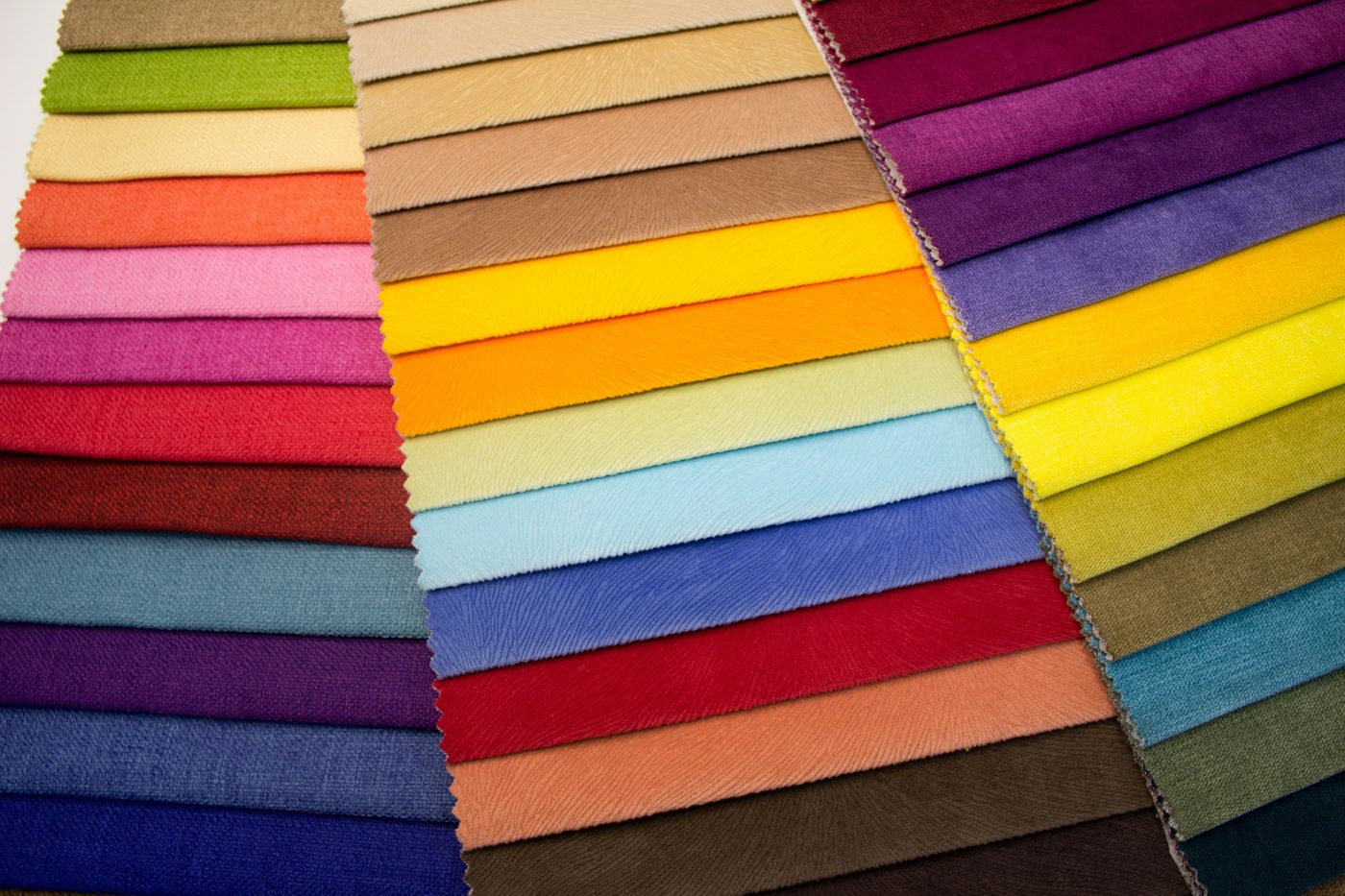
A manufacturer may suit repeat production. A merchant exporter may cover several categories. A studio may suit small premium lots. A buying office may help with inspection. Ask who owns weaving, finishing, packing, and export documents.
Step 3: Request samples
Photos are not a standard for silk. Request physical samples when color, drape, transparency, embroidery, or finish matters. Label the sample. If you approve it, write whether approval covers color, construction, workmanship, hand feel, or all of them. Keep that piece as the bulk reference.
Step 4: Clarify commercial terms
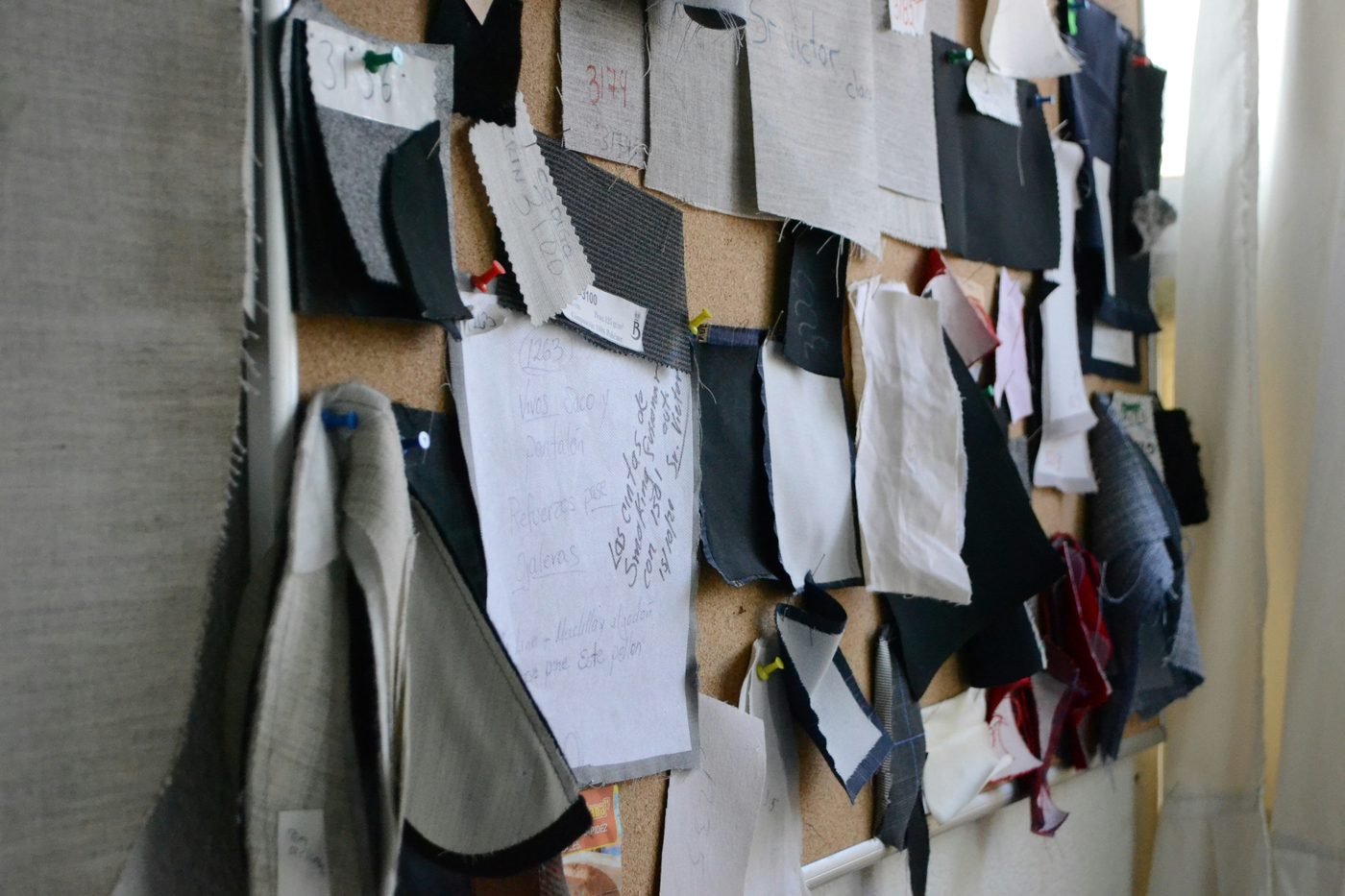
The quotation should state specification, unit price, currency, Incoterms, packing, MOQ, sample cost, lead time, payment terms, shipment method, and validity. Missing fields make two quotes incomparable.
Step 5: Check quality requirements
Discuss color fastness, shrinkage, composition, restricted substances, labeling, and care instructions. A scarf, children’s garment, saree, and home textile do not share one test list. Match checks to the destination market.
Step 6: Plan inspection

Do not wait until cartons are taped. Agree pre-production samples, in-line updates, final inspection, and packing photos before production starts. Higher-value orders may justify a third-party inspector.
Step 7: Confirm documents
Typical papers include commercial invoice, packing list, transport document, and, where required, origin or test reports. Confirm the set with your freight forwarder or import advisor before you place the order.
Step 8: Keep the first order small
A trial shipment tests communication, packing, documents, and timing. If it performs, you can scale. A large first order with a new supplier is the most expensive way to learn the same facts.
Fairs can compress steps 1–3 if you prepare a brief; see textile trade fairs in India. Names from directories still need this sequence; see textile trade resources.
Common mistakes
- Asking for prices before the product is defined.
- Comparing quotes with different compositions or widths.
- Approving photos instead of samples.
- Ignoring color fastness, shrinkage, and labels.
- Leaving Incoterms and documents vague.
- Over-ordering from a new supplier.
Inquiry template
“We are looking for silk fabric for women’s scarves. Please quote 100 percent silk and silk-blend options. Target width is 110 cm or wider. We need printed designs, sample support, export packing, and shipment to our market. Please share MOQ, sample cost, lead time, available qualities, and required artwork format.”
That length is enough for a serious reply and a fair comparison.