Indian Silk Industry Overview for Export Buyers
India’s silk trade is not one factory type and not one fiber. Sericulture, reeling, twisting, weaving, dyeing, printing, embroidery, garmenting, and export can sit in different hands. A buyer may deal with a mill, a handloom cluster, a merchant exporter, or a studio that outsources weaving. Understanding that chain, and the four natural silks India is known for, stops you from treating every “Indian silk” quote as comparable. For constructions such as chiffon or dupion, continue to [silk fabric types from India](/silk-fabric-types-from-india/).
The four silks buyers actually specify
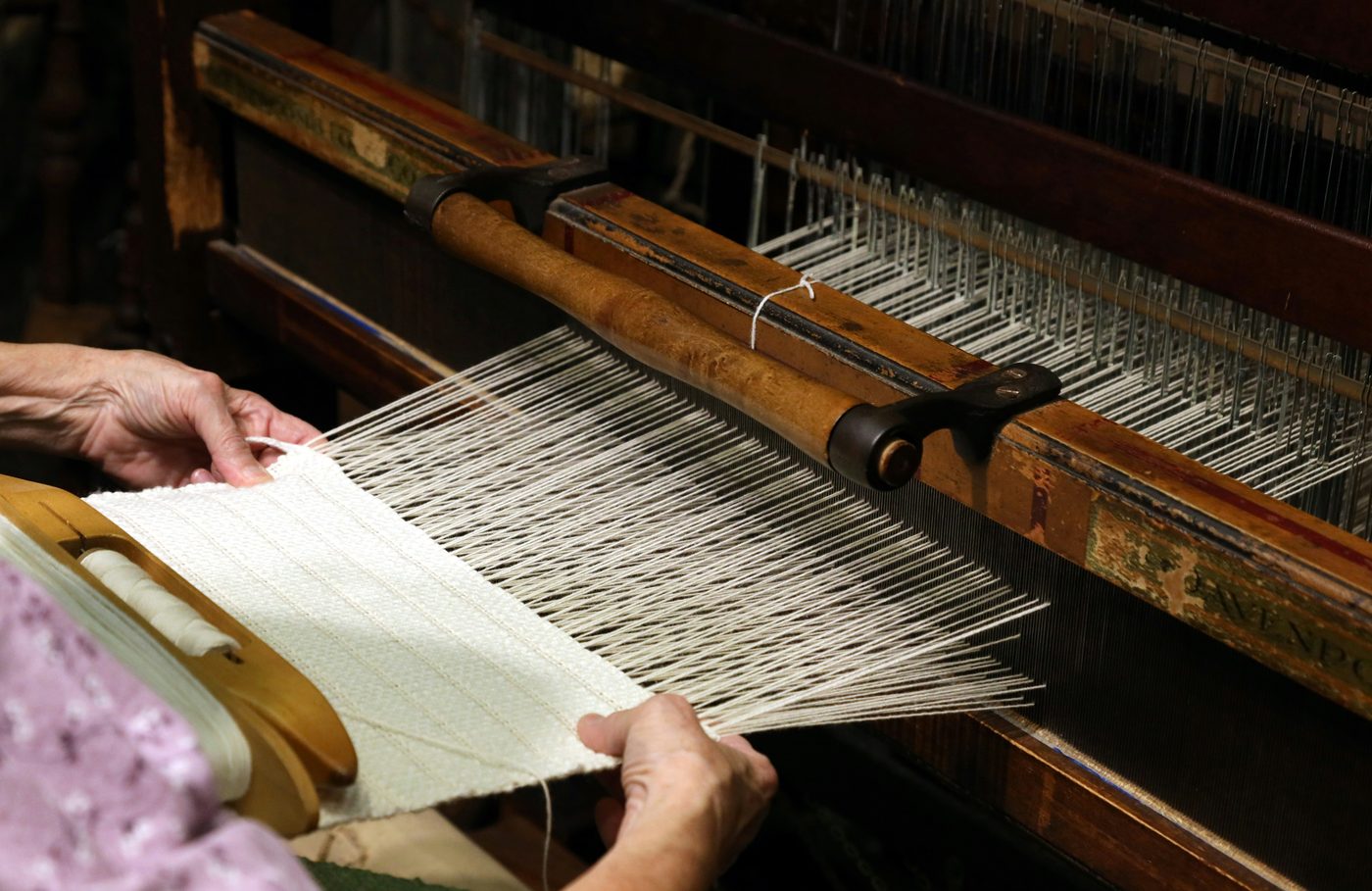
Mulberry silk is the workhorse of export programs: fabrics, sarees, scarves, garments, and linings. It is usually the smoothest and most repeatable when a mill or organised weaver controls yarn and finishing. Ask composition, weave, yarn quality, weight, finish, and whether colors can be repeated next season.
Tasar (tussar) silk is more textured, with slubs and a natural look. It suits sarees, stoles, craft-led fashion, and some home textiles. Expect more shade and texture variation. If you need a uniform mill aesthetic, say so before sampling.
Eri silk is often softer and more matte, used in shawls, scarves, and story-led apparel. Sustainability claims around Eri should be treated as claims until the supplier documents the product. Ask for composition and a sample, not only a narrative.
Muga silk is a specialised, naturally golden silk associated with Assam and nearby production. Quantities, authenticity, and lead times are tighter than for a generic mulberry blend. Do not source Muga with the same MOQ assumptions you use for mill chiffon.
These names describe different insects, feed plants, and regional systems. They are not interchangeable marketing words.
Production regions that affect availability
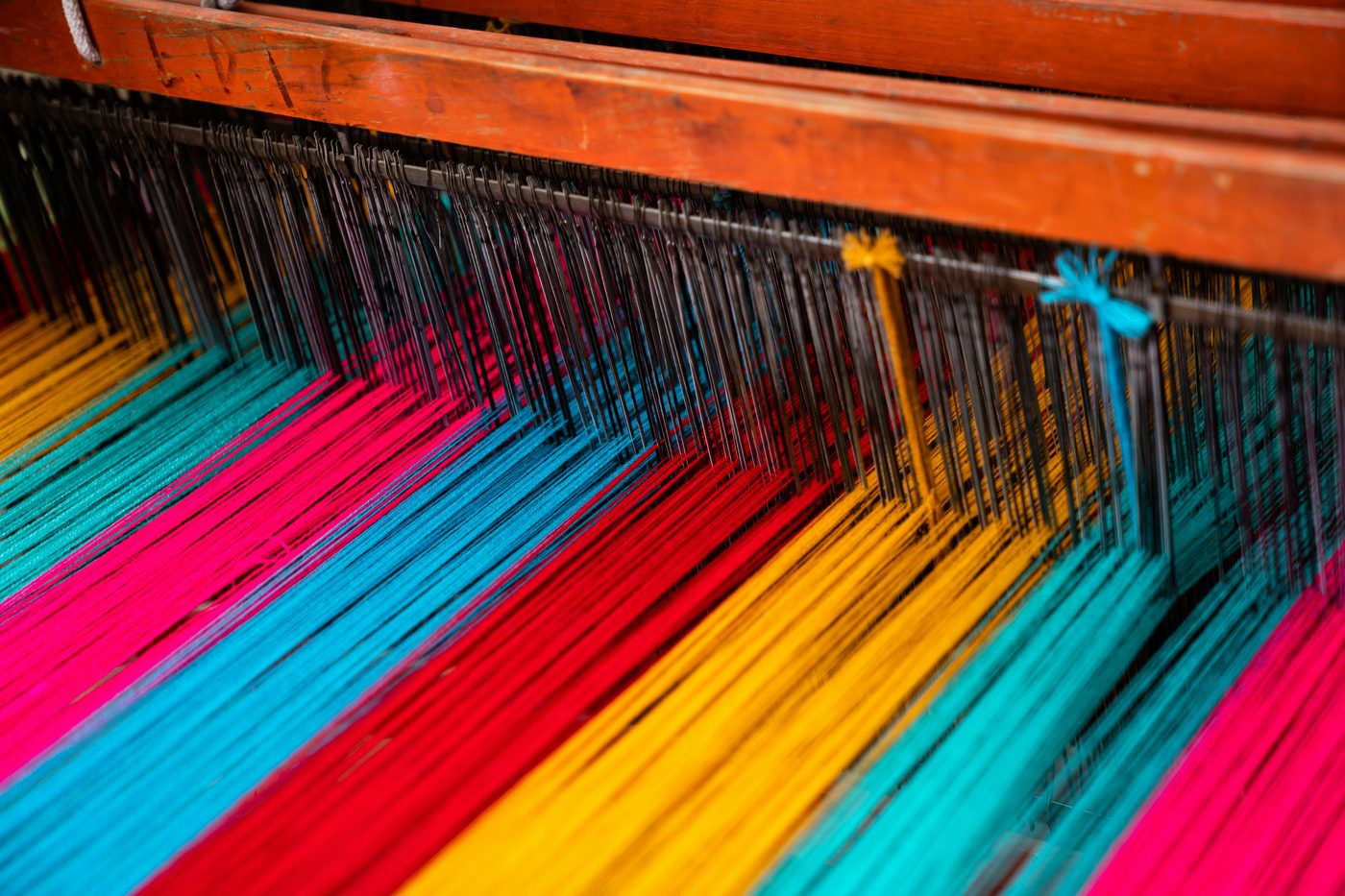
Buyers do not need a full agricultural map, but region does affect what you can buy and how fast:
- Mulberry is widely associated with southern and eastern production, including Karnataka, Tamil Nadu, Andhra Pradesh, and West Bengal, feeding mill and handloom fabric programs.
- Tasar is linked with central and eastern forest-based production, including Jharkhand, Chhattisgarh, and Odisha.
- Eri and Muga are strongly associated with Assam and the Northeast. Muga in particular should be treated as a limited, identity-led material.
A merchant exporter in a metro city may still source from several of these regions. Ask where the cloth is woven and finished, not only where the invoice is issued.
Handloom, powerloom, and mill routes
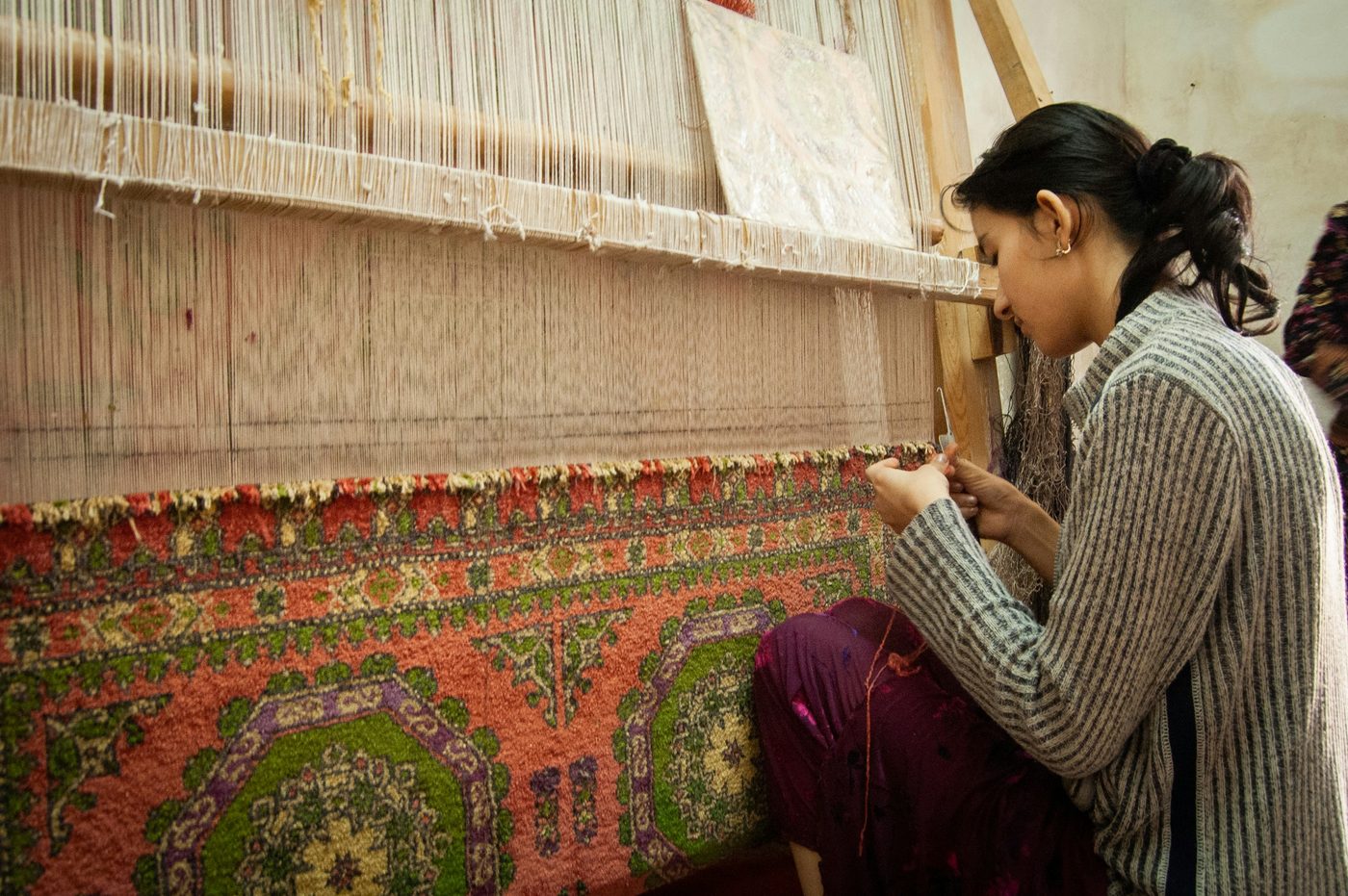
Handloom can deliver craft value and natural variation. Powerloom and mill routes usually offer more repeatability and clearer widths. Neither is automatically “better.” Match the route to quantity, price, and how much variation the retail customer will accept. A heritage saree program and a 5,000-piece scarf program should not share the same production assumption.
Who you are actually buying from
- Manufacturer / weaver: closer control of the cloth, sometimes narrower product range.
- Merchant exporter: can aggregate several units; you must still know who weaves and who finishes.
- Buying office or converter: useful for inspection and coordination on larger or mixed programs.
- Designer studio: stronger on sampling and small lots; confirm who owns bulk production.
The India silk export guide explains how those roles change the inquiry. For fiber substitutions such as viscose “silk look,” see silk vs other materials.
What this means before you negotiate price
Silk quality moves with yarn, weave, dye, and finish. Photos hide those differences. Specify variety, construction, and region of production where it matters, then sample. Price comparison is only useful when two offers describe the same silk, not two different industries sharing one word.