

Textile Trade Fairs in India for Silk Buyers
Silk is a tactile product. Drape, weight, transparency, and finish are hard to judge from a PDF. That is why Indian textile fairs, silk-focused exhibitions, and buyer-seller meetings still matter for export buyers. The visit is useful only if you arrive with a product brief and leave with notes you can convert into a written inquiry. For the buying sequence after the show, use the [buyer guide](/buyer-guide-to-sourcing-silk-from-india/).
Which events are relevant to silk
Not every textile fair is a silk fair. Before you travel or register, match the event to the product group you actually buy:
- Silk-focused fairs and silk pavilions — strongest for sarees, scarves, fabrics, and value-added silk.
- Apparel and fashion fairs — useful if you buy garments or fashion accessories, including silk blends.
- Home textile fairs — relevant for made-ups, furnishings, and decorative silk.
- Yarn and fabric fairs — better for mill-facing buyers who cut elsewhere.
- Buyer-seller meets and virtual rounds — good for first contact; still not a substitute for physical samples.
Dates, venues, and organiser names change. Confirm the current edition on the organiser or trade-resource pages, then download the exhibitor list and mark booths by product, not by country pavilion alone.
Write a one-page product brief
Before the event, one page should state:
- Product (scarf, fabric, saree, garment, home textile).
- Target customer and price band.
- Preferred composition and construction.
- Quantity band (trial vs program).
- Destination market and any labeling concerns.
- Whether you need stock, custom development, or both.
Hand that brief to serious booths. It stops the conversation collapsing into “we do all silk.”
Questions that belong at the booth
- Which of these samples are from current production, not only display development?
- Can you repeat this quality, color, and finish next season?
- What is the MOQ for stock and for custom?
- Do you export directly, and which documents do you issue?
- Can you support testing or third-party inspection?
- What is the lead time after sample approval?
Touch the cloth. Hold it to the light. Compare two booths on the same day with the same brief.
Capture the visit so you can compare later
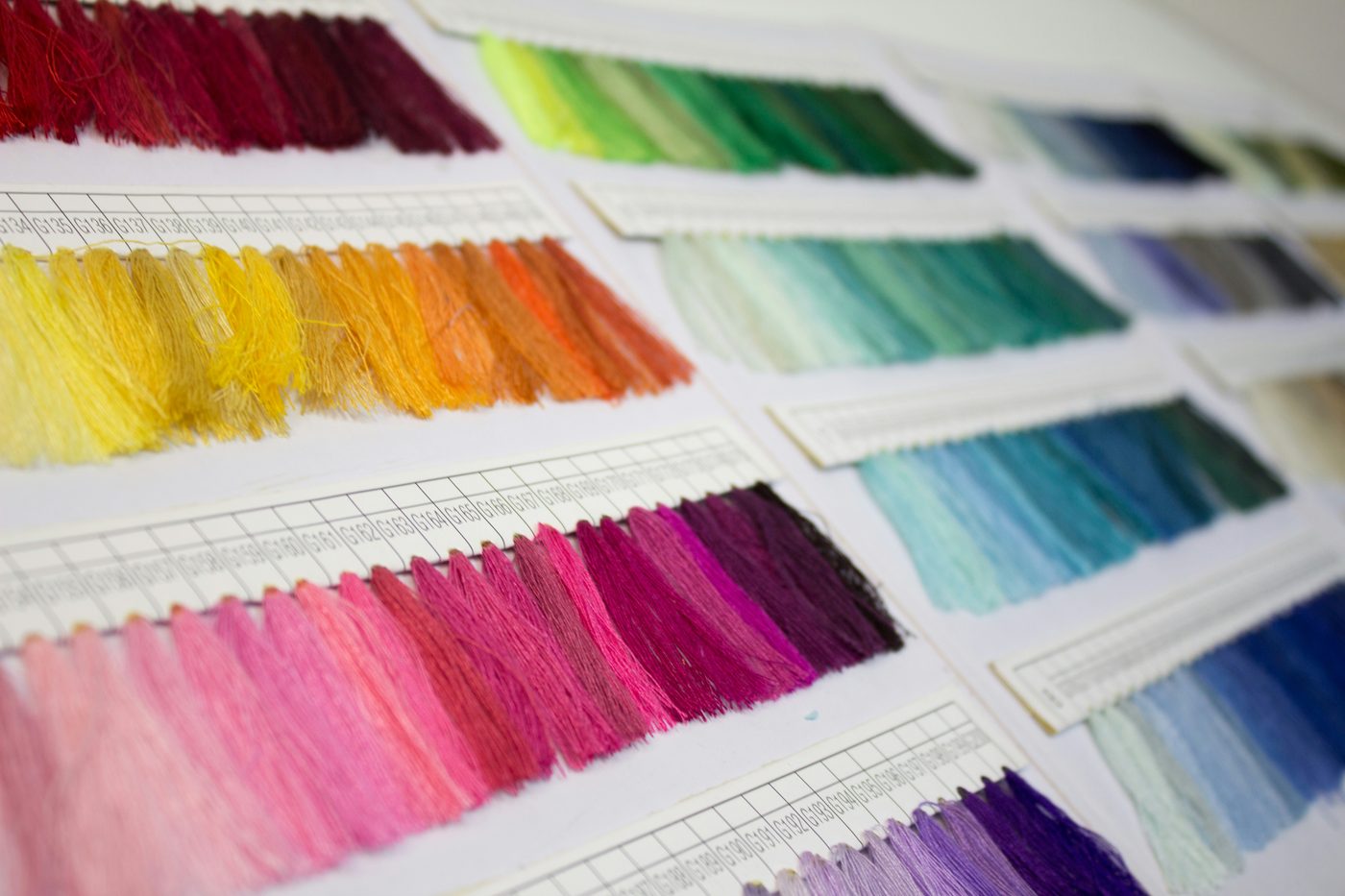
Record booth number, product codes, sample references, rough price band, MOQ, and concerns. Photograph samples only with permission. Without notes, ten promising tables become one blur after the flight home.
Do not place a large first order on the fair floor. Excitement is not a specification. Ask for samples, then a quotation that repeats the brief in writing.
After the fair
Within a few days, send the same written inquiry to your shortlist. Attach the booth sample reference. Ask for price, MOQ, sample cost, lead time, and document list. A supplier who cannot restate the product clearly after meeting you is giving you information too.
Virtual meetings can shorten the list. For silk, bulk should still wait on a physical sample.
Checklist
- Match the fair type to silk fabrics, fashion, or home textiles.
- Prepare a one-page brief.
- Shortlist booths from the exhibitor list before you walk in.
- Ask about repeatability, MOQ, documents, and lead time.
- Sample after the event, then compare like-for-like quotes.
A trade fair starts supplier evaluation. It does not finish it.