
Silk vs Cotton, Wool and Blends for Sourcing
Material choice is a specification decision, not a branding slogan. International buyers sourcing from India often start with “silk” and then discover that cotton, wool, viscose, polyester, or a silk blend may fit the product, price, care label, and production plan better. This page compares those options for scarves, stoles, garments, linings, and home textiles so the [buyer inquiry](/buyer-guide-to-sourcing-silk-from-india/) names the right fiber from the first email.
When silk is the right specification
Silk is the right call when the product needs drape, luster, a fine hand feel, and a premium retail position. Typical uses include scarves, sarees, stoles, occasion wear, linings, and decorative textiles. The trade-offs are higher material cost, more careful dyeing and finishing, tighter sampling, and more sensitive care instructions. If the customer expects a luxury scarf or a silk saree, substituting a cheaper fiber later usually creates returns and brand damage.
If the product only needs a “silk look” at a lower price, say that clearly. A viscose or polyester satin can copy shine in a photograph and still fail on drape, heat, or pilling. Write the fiber, not the look, in the inquiry.
Silk vs cotton
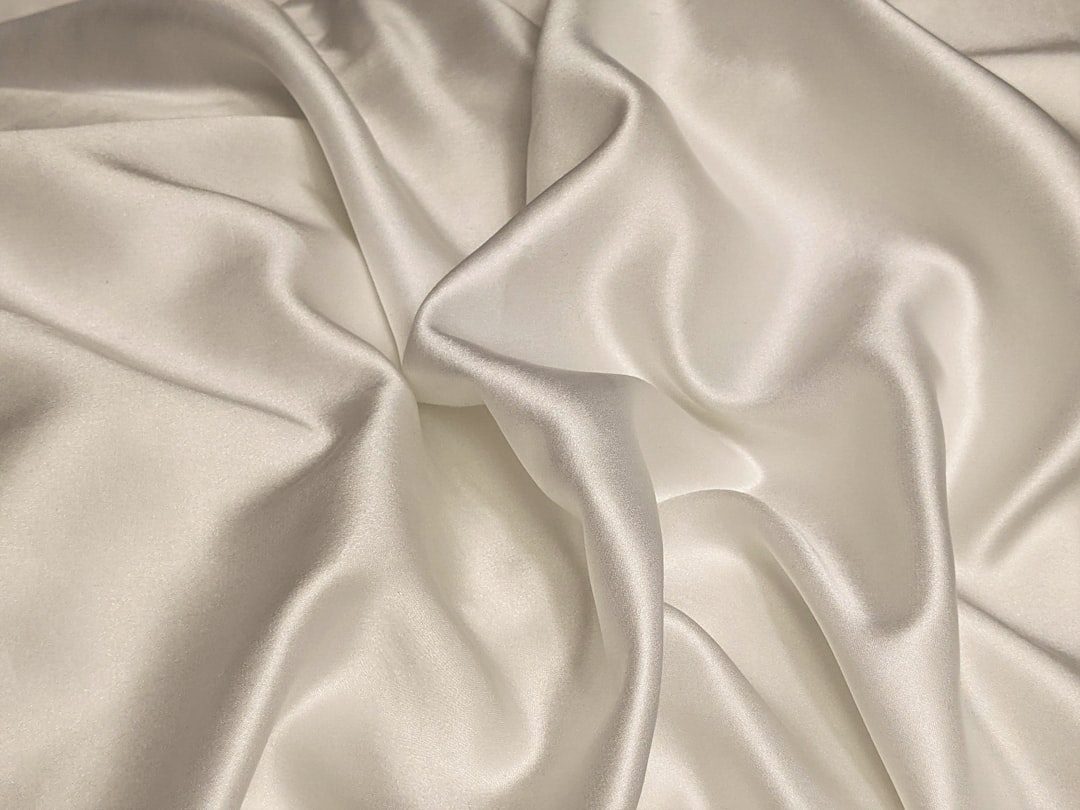
Cotton is stronger for daily-use garments, home textiles, and products that must wash easily. It is familiar, widely available, and usually easier to repeat in bulk. Compared with silk, cotton rarely delivers the same luster or fluid drape.
Choose cotton when the end use is casual, washable, or high-volume. Choose silk when the selling point is handle and sheen. A silk-cotton blend can sit in the middle: more affordable than pure silk, with some silk character, provided the composition is stated and tested.
Silk vs wool
Wool and wool blends add warmth, body, and seasonal structure. They matter for shawls, winter scarves, outerwear, and some home textiles. Silk is cooler, lighter, and more lustrous; wool is warmer and more resilient in cold-weather programs.
Buyers comparing the two should decide climate, weight, skin feel, and care label first. A silk-wool stole is a different product from a 100 percent silk chiffon scarf. Do not compare their prices as if they were the same item.
Silk vs viscose and polyester

Viscose, polyester, and other synthetics can offer lower cost, more consistent mill production, and easier care. They suit high-volume fashion, uniforms, or products where wash-and-wear matters more than a natural-fiber story.
The risk is mislabeling. A “silk-like” fabric is not silk. If the retail claim is silk, the specification must be silk (or a declared blend). If the retail claim is shine at a price, viscose satin or polyester charmeuse may be the honest specification. Ask for composition, GSM, and a physical sample before approving bulk.
Silk blends as a commercial middle path
Silk-cotton, silk-wool, silk-viscose, and silk-linen blends appear often in Indian export offers. Blends can improve price, durability, or crease behavior. They also change labeling, testing, and customer expectations.
A useful blend inquiry states the target percentages, or asks the supplier to propose two options: one pure silk and one blend, with prices and MOQs for each. Do not accept “silk mix” as a composition. For variety context, see the Indian silk industry overview.
How the material choice changes the order
Fiber choice affects more than the fabric name:
- MOQ and lead time. Specialty silk and Muga programs can be slower and smaller than mill-made viscose or cotton.
- Sampling. Silk needs physical samples for color, transparency, and hand feel. Synthetics can still surprise on drape, so sample them too.
- Testing and labels. Composition claims, color fastness, and care instructions must match the fiber and the destination market.
- Packing. Fine silk needs more protection against snagging, moisture, and crease marks than a sturdy cotton twill.
Decision questions
- What is the final product: scarf, garment, lining, saree, or home textile?
- What retail price and care expectation does the customer have?
- Is the selling point luxury handle, easy care, warmth, or volume price?
- Must the fiber be 100 percent silk, or is a declared blend acceptable?
- Can the supplier repeat the same quality next season?
Silk is strongest when softness, drape, and premium identity are the product. Cotton, wool, viscose, and polyester are stronger when washability, warmth, or cost is the product. Write that choice into the specification before asking for prices.